Introduction: A Market at a Crossroads
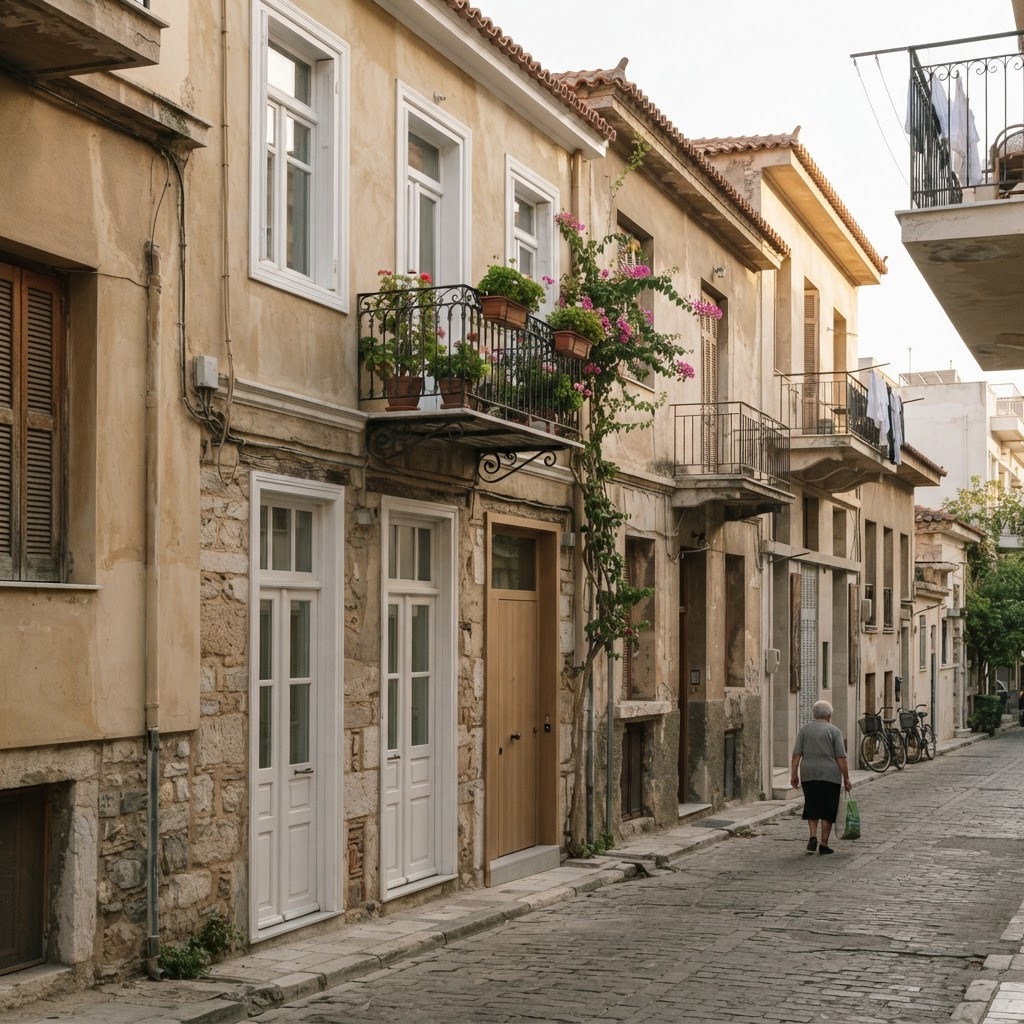
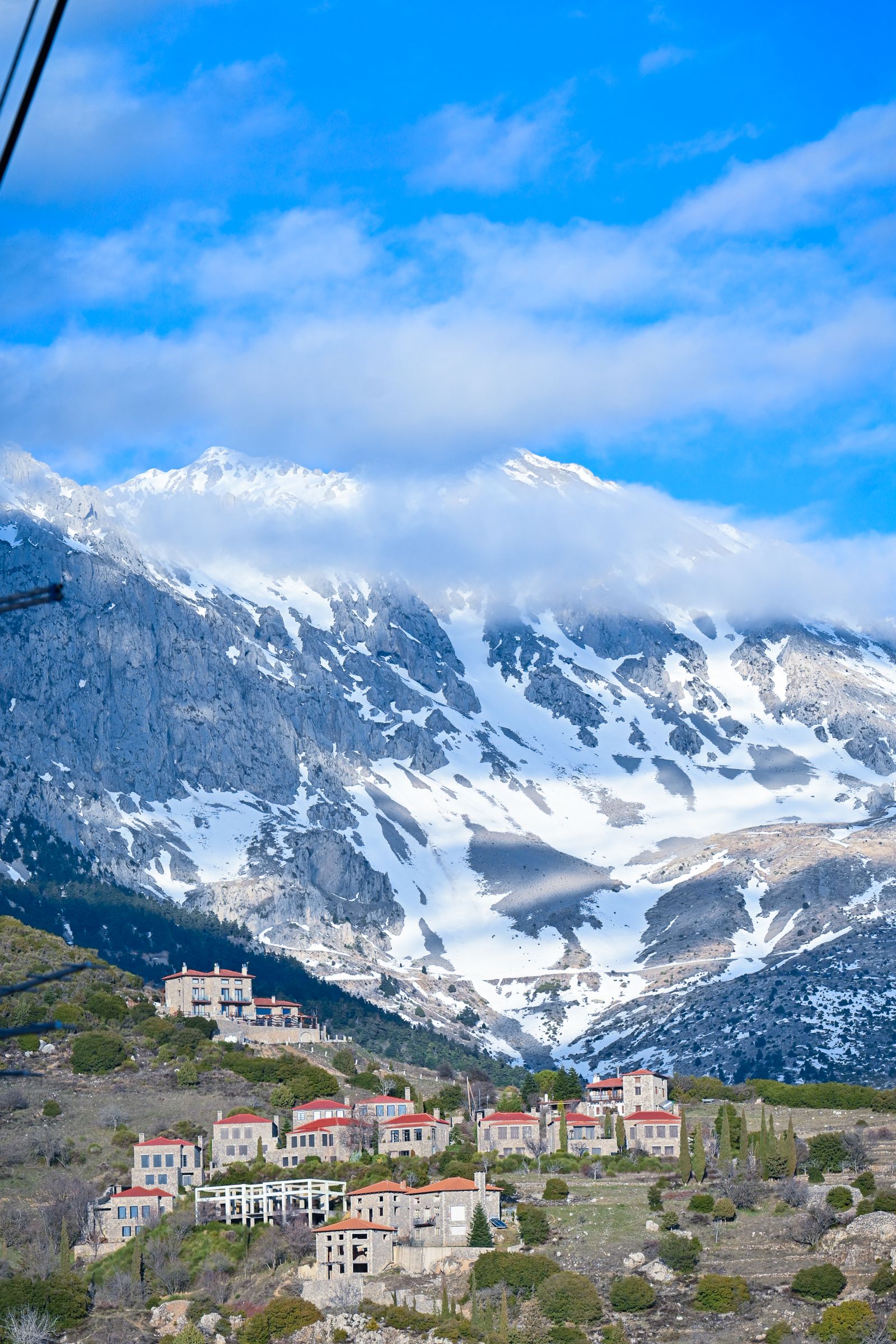
Greece's short-term rental market has experienced nothing short of a transformation over the past decade. From the sun-drenched terraces of Santorini to the cobblestone streets of Athens' Plaka neighborhood and the ski slopes of Arachova, Greek properties have become among the most sought-after short-term rentals in all of Europe. But as we look toward 2026 and beyond, the landscape is shifting in ways that will separate thriving hosts from those who struggle to keep up.
For property managers and Airbnb hosts operating in Greece, the message is clear: adapt proactively or risk being left behind. Here's what the data, emerging trends, and regulatory signals are telling us about the future of short-term rentals in Greece.
1. The Evolving Traveler Profile: What Guests Want in 2026
Today's traveler arriving in Greece is fundamentally different from the package-holiday tourist of ten years ago. Modern guests are increasingly:
- Experience-driven, seeking authentic local immersion rather than generic accommodations
- Remote-work enabled, traveling for 2–4 weeks rather than 7–10 days
- Sustainability-conscious, actively filtering for eco-friendly properties
- Tech-savvy, expecting seamless digital communication, smart locks, and instant booking confirmations
Practical Tip: Properties in Athens neighborhoods like Koukaki and Exarchia are seeing strong demand from digital nomads. If your property has a dedicated workspace, fast Wi-Fi (100+ Mbps), and a monthly discount structure, highlight these prominently in your listing title and description.
Case Study — Naxos Villa Repositioning: A property manager overseeing three villas near Naxos Town repositioned her listings in early 2024 by adding ergonomic workstations, local artisan welcome baskets, and partnerships with a local sailing instructor. Within two booking cycles, her average stay length increased from 5 days to 11 days, and her average nightly rate climbed by 22%. The lesson: curated local experiences translate directly into revenue.
2. Regulatory Changes: Navigating Greece's Tightening Framework
Greece has been steadily tightening its short-term rental regulations, and 2025–2026 will bring further scrutiny to the market. Key developments property managers must monitor include:
Registration and Compliance
Every short-term rental property in Greece must be registered with the Independent Authority for Public Revenue (AADE) and carry a valid Property Registration Number (AMA). Displaying this number on all listings is mandatory. Failure to comply can result in fines starting at €5,000.
New Restrictions in Saturated Markets
Athens has already implemented zoning restrictions limiting new STR licenses in high-density areas such as the city center and parts of the Southern Suburbs. Similar pressure is building on islands like Mykonos and Santorini, where municipal authorities are discussing caps on STR density to protect long-term housing availability.
Tax Transparency Increasing
Platforms like Airbnb and Booking.com are now required to report host earnings directly to Greek tax authorities. Income from short-term rentals is taxed on a sliding scale, and undeclared income is facing increased enforcement.
Actionable Advice:
- Audit your registration status and ensure your AMA number is current and visible
- Consult a Greek tax advisor familiar with STR income structures before the 2025 tax year closes
- If you manage multiple properties, consider forming a legal operating entity (IKE or EPE) for more favorable tax treatment and cleaner compliance
3. Technology as a Competitive Differentiator
Technology is no longer optional for Greek STR operators — it is the primary lever for scaling operations, improving guest satisfaction, and protecting revenue.
Dynamic Pricing Tools
Static pricing is one of the costliest mistakes Greek hosts make. Tools like PriceLabs and Wheelhouse now offer Greece-specific market data, allowing hosts to respond in real time to demand spikes around events like Athens Epidaurus Festival, Orthodox Easter, or Arachova's winter ski season.
Case Study — Arachova Chalet Optimization: A chalet owner in Arachova was manually adjusting prices once per month. After integrating PriceLabs with a 1-day minimum stay during ski weekends and automatic holiday surcharges, their December–February revenue increased by 38% year-over-year without adding a single new booking night.
Automation and Guest Communication
- Smart locks (such as Yale or Nuki) eliminate key-handoff logistics, critical for island properties where hosts may not be on-site
- Automated messaging tools via platforms like Hostaway or Lodgify handle check-in instructions, mid-stay check-ins, and review requests without manual effort
- AI-powered guest screening is increasingly available through channel managers, reducing the risk of problematic bookings
Channel Diversification
Over-reliance on a single platform is a vulnerability. Successful Greek operators in 2026 will maintain presence across Airbnb, Booking.com, VRBO, and increasingly direct booking websites optimized for Google search. Direct bookings eliminate platform fees (typically 15–20%) and build a returning guest database that no platform can take away from you.
4. Sustainability: From Trend to Expectation
Eco-conscious travel is accelerating, and Greek properties that invest in sustainability features are commanding premium rates. Practical upgrades gaining traction include:
- Solar panels and solar water heaters — particularly cost-effective on Greek islands with 300+ annual sunshine days
- Rainwater harvesting systems for garden irrigation
- Partnerships with local organic farms for welcome food hampers
- Eliminating single-use plastics and providing refillable amenity dispensers
Properties displaying verified sustainability credentials on their listings are seeing measurable increases in booking conversion rates, particularly among Northern European travelers who represent a significant share of Greece's inbound tourism.
Conclusion: The Hosts Who Will Win in 2026
The Greek short-term rental market remains one of Europe's most exciting opportunities, but it is maturing rapidly. The hosts and property managers who will thrive are those who treat their operations as genuine businesses: staying ahead of regulation, investing in technology, understanding their guest profile deeply, and differentiating their offering beyond a clean room and a good location.
The fundamentals that make Greece irresistible — the light, the history, the hospitality — are not going anywhere. But the operational and strategic layer around those fundamentals is evolving fast. Start adapting now, and 2026 will be your strongest year yet.