How to Write a Listing Description That Converts
Craft listing descriptions that captivate buyers and drive action. Learn the proven techniques to turn browsers into serious leads.
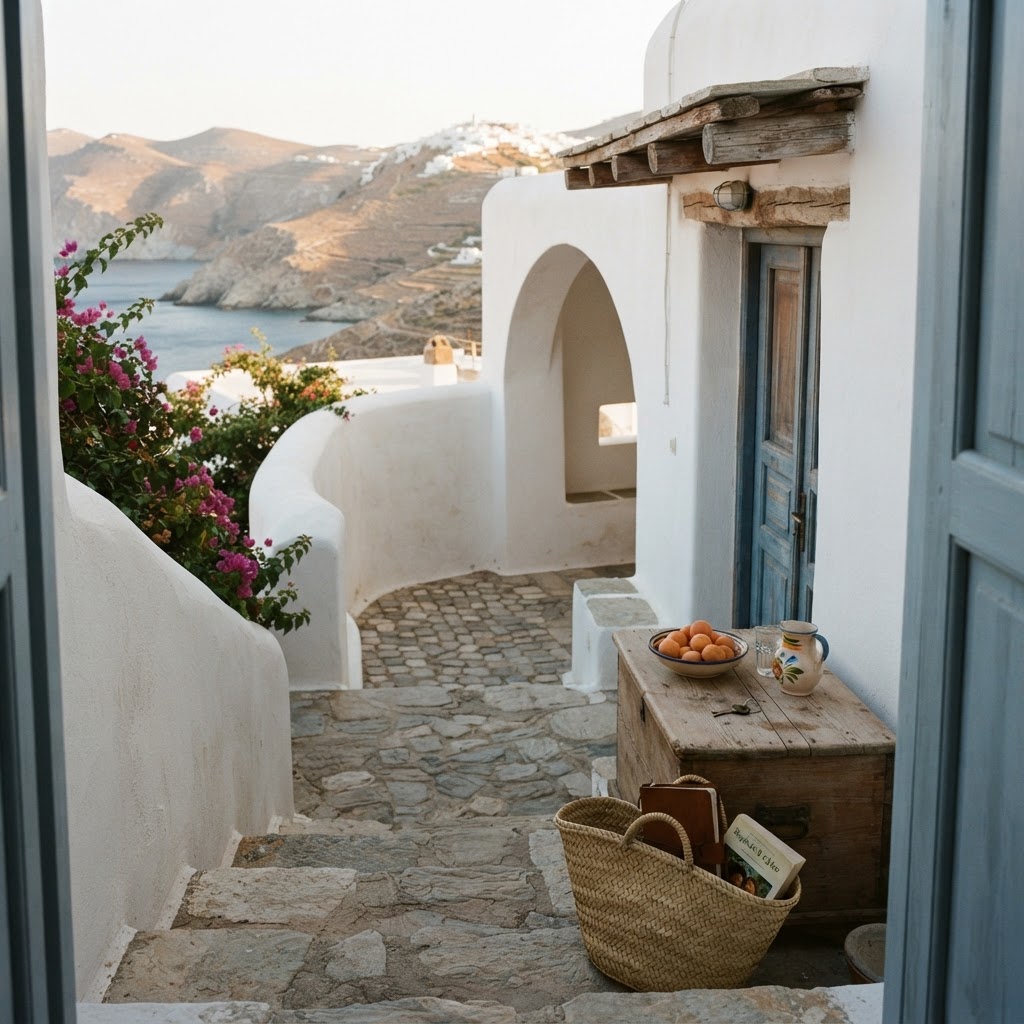
Why Your Listing Description Is Costing You Bookings
You have a stunning whitewashed villa in Santorini, a charming apartment steps from the Acropolis, or a cozy chalet in Arachova with a fireplace and mountain views. But your calendar is half-empty. The photos are great. The price is competitive. So what's going wrong?
More often than not, the answer lives in your listing description.
In Greece's increasingly competitive short-term rental market, a well-crafted description is the difference between a traveler clicking "Book Now" and scrolling to the next option. Copywriting — the art of writing words that persuade — is not just for marketers. It is one of the most powerful tools in a property manager's arsenal, and most hosts are leaving serious money on the table by ignoring it.
This guide will walk you through proven techniques to write listing descriptions that convert browsers into confirmed guests.
Understand Who You Are Writing For
Before you type a single word, get clear on your ideal guest. Are you targeting:
- Couples on a romantic getaway to Mykonos or Oia?
- Digital nomads looking for a month-long stay in Athens with reliable Wi-Fi?
- Ski enthusiasts heading to Arachova for a winter weekend?
- Families seeking a spacious villa in Crete with a private pool?
Your language, tone, and the details you highlight should all shift depending on the answer. A couple looking for romance responds to words like intimate, sunset views, and private terrace. A remote worker responds to gigabit internet, dedicated desk, and quiet neighborhood.
Practical tip: Look at your past reviews. The words guests use to describe their experience are gold. Mirror that language in your description.
Lead With the Experience, Not the Inventory
Most hosts write descriptions that read like a furniture catalogue:
"The apartment has 2 bedrooms, 1 bathroom, a fully equipped kitchen, and a balcony."
This tells guests what they are getting, but it does not make them feel anything. Bookings are driven by emotion first, logic second.
Instead, lead with the experience:
"Wake up to the smell of sea air and watch the morning light hit the caldera from your private balcony — this is the Santorini stay you have been dreaming about."
Notice how this opening sentence paints a picture. It places the reader inside the experience before they have even read about the amenities.
Structure your description like this:
- Opening hook — Paint the experience (2-3 sentences)
- The space — Describe rooms with sensory detail
- The location — Highlight neighborhood, walking distances, local gems
- Practical details — Amenities, check-in, house rules
- Call to action — Invite them to book
Use Sensory and Specific Language
Vague descriptions disappear. Specific, sensory descriptions stick.
❌ "Great views of the sea" ✅ "Floor-to-ceiling windows frame an uninterrupted panorama of the Aegean — the kind of view you will want to photograph every single morning"
❌ "Close to restaurants" ✅ "A 4-minute walk takes you to Monastiraki Square, where you can explore over a dozen tavernas serving everything from fresh souvlaki to creative mezze"
When describing a property in Arachova, for example, instead of writing "cozy mountain house," write: "Curl up next to a stone fireplace with a glass of local Nemea red while snow settles quietly on the Parnassos slopes outside your window."
Real-World Examples From the Greek Market
Case Study 1: Athens City Apartment
A host in Koukaki was struggling with a 55% occupancy rate despite having a recently renovated apartment near the Acropolis Museum. Their original description focused entirely on square footage and furniture.
After rewriting the opening to focus on the neighborhood — "Stay in Koukaki, Athens' most beloved local neighborhood, where boutique coffee shops, independent bookstores, and authentic tavernas line every corner" — and adding specific walking distances to major attractions, their occupancy climbed to 78% within six weeks. The property had not changed at all. Only the words had.
Case Study 2: Cycladic Island Villa
A property manager handling a portfolio of villas in Paros noticed that one villa consistently underperformed compared to nearly identical properties nearby. The issue? Their description buried the villa's best feature — a private infinity pool with sunset views — in the third paragraph under a list of kitchen appliances.
Moving the pool and the view to the very first sentence and adding a vivid description of the sunset experience resulted in a 40% increase in inquiries over one summer season.
Case Study 3: Arachova Winter Chalet
A host renting a traditional stone house near the Arachova ski center was only getting bookings from ski-focused guests. By adding a dedicated section about the property's appeal for non-skiers — spa day trips, wine tasting in nearby Distomo, and the authentic mountain village atmosphere — they successfully extended their target audience and filled gaps in the calendar during slower ski weeks.
Formatting Tips That Improve Readability
Airbnb's search environment means guests often skim before they read. Help them with clean formatting:
- Use short paragraphs — no more than 3-4 lines each
- Add emoji sparingly to break up sections (🌊 for sea views, 🏔️ for mountain properties)
- Bold your strongest selling points so skimmers catch them
- Write for mobile — most bookings happen on phones
Common Mistakes to Avoid
- Overpromising — If the sea view requires standing on the balcony railing, do not call it a sea view apartment. Trust is everything in this industry.
- Keyword stuffing — Writing "Santorini villa Santorini accommodation Santorini rental" reads as spam.
- Ignoring seasonal angles — Update your description for summer versus winter, highlighting relevant experiences for each season.
- Forgetting the local flavor — International travelers book Greece for the Greek experience. Mention nearby markets, local festivals, traditional dishes from the area. This is your competitive advantage over chain hotels.
Your Description Is a Living Document
The most successful hosts in Greece treat their listing description as something to test, refine, and update regularly. After each stay, read your newest reviews. Are guests mentioning something wonderful you have not highlighted yet? Add it. Are they repeatedly asking the same question in their inquiries? Answer it preemptively in your description.
Great copywriting is not about being a professional writer. It is about clarity, empathy, and helping the right guest imagine themselves in your space. Do that well, and your calendar will show it.
Stay Ahead in Hospitality
Monthly insights on short-term rental strategies, Airbnb optimization, property management and the hospitality market in Greece.
Considering professional management?
Tell us about your property in Athens, the Athenian Riviera or Arachova and we’ll assess whether Clarity is a suitable fit.
Discuss Your Property