Direct Booking Strategy for Short-Term Rental Owners
A practical owner guide to building a direct-booking channel alongside major booking platforms, with a focus on brand ownership, distribution resilience and the systems required to make direct reservations work.
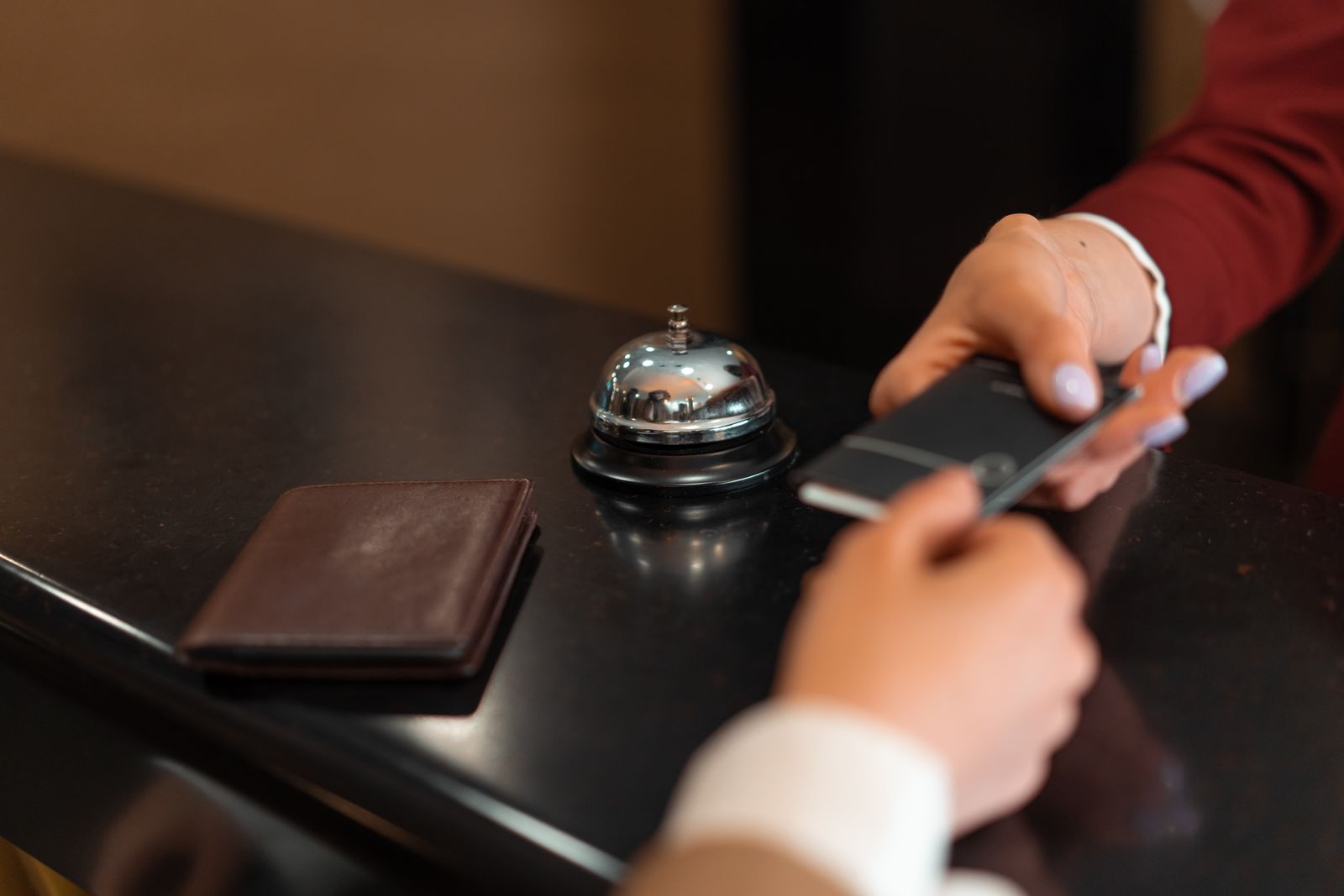
Direct booking is a channel, not a replacement for OTAs
Airbnb, Booking.com and other online travel agencies can be valuable acquisition channels. They provide reach, search demand and booking infrastructure that would be difficult for an individual property to reproduce on its own.
The strategic question for an owner is therefore not whether to abandon OTAs. It is whether the property should depend entirely on channels it does not control.
A direct-booking strategy adds an owned or brand-led route to market alongside third-party distribution. Done well, it gives the property an independent digital identity and a way for guests who already know the property to find an appropriate booking route.
What a credible direct-booking channel requires
A website alone is not a direct-booking strategy. The minimum operating stack normally includes:
- a property website that accurately represents the accommodation and destination
- live availability and pricing
- a secure reservation and payment flow
- synchronized inventory across distribution channels
- clear booking, cancellation and privacy information
- reliable pre-arrival and post-booking communication
- analytics that distinguish direct enquiries and reservations from other traffic
Without these elements, a website may create visibility but still push the guest back to an OTA to complete the booking.
Why property identity matters
A listing on an OTA exists inside the platform's brand. A dedicated property website creates a place where the property's own identity, photography, location information and guest experience can be presented without competing listings surrounding it.
This is particularly useful for distinctive villas, chalets and apartments that can support an independent name and repeat-guest relationship.
At Clarity, active managed properties can be supported by dedicated property websites, while Beyond Stay provides a separate guest-facing booking and experience environment around the managed portfolio. The objective is not to remove OTA distribution but to create a more diversified digital setup around the property.
Where direct demand can come from
Direct bookings are rarely created by a single tactic. They can develop through several routes:
Returning guests
Guests who already know the property have less uncertainty than first-time visitors. A clear property identity and an easy way to find the official website or Beyond Stay can make a future direct relationship possible, subject to applicable platform rules and guest marketing consent.
Branded search
When a property has a distinctive name, guests may search for it directly before or after seeing it elsewhere. A well-structured official website gives that search a trustworthy destination.
Organic search and destination content
Useful location and property information can create additional discovery over time. This should complement, not compete with, the owner-acquisition SEO of the management company.
Referrals and owned marketing
Recommendations, permitted email communication and social channels can all direct interested guests toward an appropriate owned or Beyond Stay booking route.
The operational side matters as much as marketing
Direct reservations transfer responsibilities that an OTA may otherwise help structure. Owners and managers need clear processes for payment, cancellations, guest communication, availability synchronization, data protection and support.
That is why the strongest direct-booking strategy is integrated with property operations rather than treated as a standalone marketing project.
What owners should ask a property manager
If direct booking is part of a management proposition, useful questions include:
- Will my property have its own digital identity or only OTA listings?
- How is availability synchronized across channels?
- Where does a direct reservation actually take place?
- Who handles payment and guest communication?
- How are direct bookings reported to the owner?
- How is guest data handled and what marketing permissions are collected?
- How does the direct channel fit alongside Airbnb and Booking.com rather than conflict with them?
The Clarity approach
Clarity's current operating ecosystem includes real managed properties with dedicated websites, multi-channel distribution and Beyond Stay as the guest-facing booking and experience platform. This creates an additional route around the managed portfolio while retaining the reach of established booking platforms.
The appropriate channel mix will differ by property, destination, demand profile and operating history. For that reason, Clarity does not present a fixed direct-booking percentage or guaranteed revenue uplift as a universal outcome.
Conclusion
Direct booking should be viewed as infrastructure for long-term distribution resilience and property-brand ownership, not as a promise to eliminate OTAs.
For owners evaluating professional management, the important question is whether the manager can connect branding, distribution, reservation technology and operations into one coherent system. That is where an additional booking channel becomes commercially useful rather than simply another website.
See how this topic connects to Clarity's actual owner and property operating model.
Stay Ahead in Hospitality
Monthly insights on short-term rental strategies, Airbnb optimization, property management and the hospitality market in Greece.
Considering professional management?
Tell us about your property in Athens, the Athenian Riviera or Arachova and we’ll assess whether Clarity is a suitable fit.
Discuss Your Property